The barrier to starting an online business has never been lower — and yet most people who try still fail within the first year. Not because the opportunity isn't real, but because there's a difference between starting something and building something. The internet is full of advice about the former. This is about the latter.
Whether you're a solopreneur trying to monetize a skill, a creator looking to turn an audience into a business, or someone who simply wants an income stream that doesn't require clocking in somewhere — the fundamentals are the same. You need to understand who you're building for, choose a model that fits your strengths, and market yourself consistently enough that people actually find you.
Start With the Market, Not the Idea
Most people start with a product idea and then go looking for customers. The ones who succeed usually do it the other way around. Before you build anything, spend real time understanding the people you want to serve. What do they struggle with? What are they already paying for? Where do they spend their time online?
This doesn't require a formal research process. Read reviews on Amazon for books in your niche — the one-star and three-star reviews are gold, because people explain exactly what was missing. Browse Reddit communities related to your space. Look at what questions get asked repeatedly on Quora. These are real people telling you, unprompted, what they need.
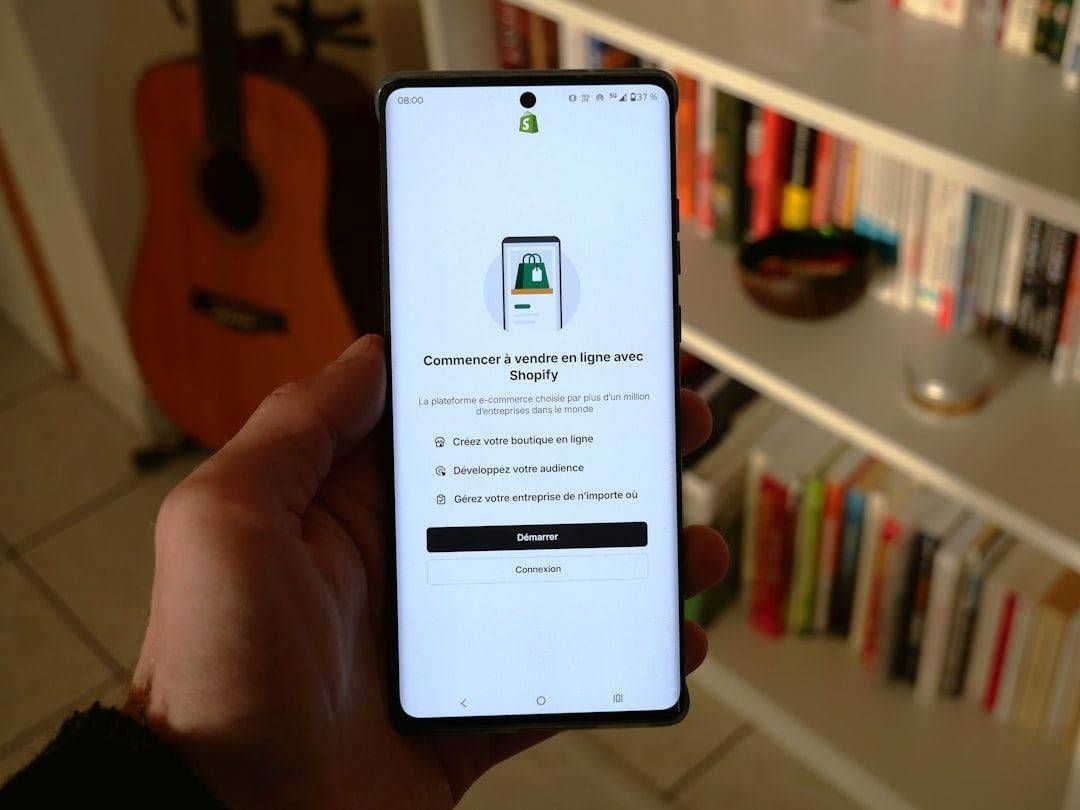
Once you have that clarity, choosing your business model becomes much easier. E-commerce, consulting, digital products, online courses — each has trade-offs, and the right one depends on your skills, available time, and how hands-on you want to be. If you're leaning toward e-commerce, platforms like Shopify or WooCommerce make it genuinely straightforward to get a store live. The tech is the easy part — knowing what to sell and to whom is what takes real work upfront.

Building Revenue Streams That Actually Work
There's no shortage of ways to make money online, but not all of them are equal — and trying to do too many at once is one of the most common mistakes early-stage founders make. Pick one primary model, get it working, then layer in others.
If you're selling physical products, e-commerce gives you direct control over margins and the customer relationship. If you'd rather avoid inventory entirely, digital products — e-books, templates, courses, presets — can be created once and sold indefinitely. Gumroad and Teachable are two solid platforms for selling digital goods without much technical overhead.
Affiliate marketing deserves more credit than it gets. Done well — meaning you're recommending things you've actually used and that genuinely help your audience — it can generate meaningful income alongside whatever else you're building. Amazon Associates is the most accessible entry point, but most software companies and online services run their own affiliate programs with far better commission rates.
Subscription models are worth considering seriously if you're a creator or building any kind of community. Patreon pioneered this for creators, and platforms like Substack have made paid newsletters a legitimate business in their own right. The recurring revenue changes everything about how you plan and invest in growth.
Marketing: Consistency Beats Cleverness
The biggest marketing mistake solopreneurs make isn't choosing the wrong channel — it's switching channels too often. Pick one or two places where your audience actually spends time and show up there consistently for long enough to see results. Six weeks isn't long enough. Six months usually is.
Content marketing remains one of the highest-leverage things you can do, especially early on when you don't have a budget for paid ads. A well-written blog post optimized for search can drive traffic for years. A genuinely useful YouTube tutorial builds trust in a way that no ad ever will. The goal is to create things that answer the questions your potential customers are already asking — which is why the market research you do at the start matters so much.
For social media, resist the urge to be everywhere. Instagram works exceptionally well for visual products and lifestyle brands. LinkedIn is where B2B and professional services actually convert. TikTok still offers organic reach that other platforms charge for, if short-form video fits your content. Pick based on where your audience is, not where you're most comfortable.
SEO is a long game, but it's worth playing. Use Google Search Console to understand what people are searching for in your space, and Ahrefs or SEMrush to find keyword opportunities. Good SEO doesn't require gaming algorithms — it requires writing genuinely useful content about topics people are actively searching for.

Building Toward Passive Income — Realistically
Passive income is real, but it's rarely passive at the start. What it actually means is building systems that can work without your direct involvement — and that takes significant upfront effort to set up properly.
Email automation is one of the most valuable things you can invest time in early. Tools like Mailchimp or ConvertKit let you build sequences that nurture new subscribers, introduce your products, and follow up automatically — all without you having to do anything after the initial setup. A well-built email funnel running in the background is probably the closest thing to genuinely passive income that most solopreneurs will build.
The other underrated path to passive income is acquiring or building digital assets — websites, content libraries, online courses — that appreciate in value over time. A niche website with solid SEO and affiliate revenue can generate monthly income for years. An evergreen online course, once created and marketed, can sell indefinitely with minimal upkeep. These take time to build, but the compounding effect is real.
The entrepreneurs who build lasting online businesses aren't usually the ones with the most clever ideas. They're the ones who stayed consistent, kept learning from what wasn't working, and built systems instead of just putting out fires. That's as practical a roadmap as any.
If you need help bringing the technical side of your business to life — whether that's a website, a custom application, or a full digital product — we at GemPixel offer design and software services built around your specific goals. When you're ready to build, start a project with us and see what's possible.