The design industry has never moved faster — and neither has the pressure to produce exceptional work with lean budgets. For today's designers, knowing where to find premium-quality free resources isn't a nice-to-have skill. It's a competitive advantage.
The digital marketplace for design assets has exploded in recent years, giving professionals at every level — from agency veterans to independent freelancers — unprecedented access to UI kits, Figma components, icon libraries, and website templates, all at no cost. Used strategically, these tools can compress timelines, reduce production costs, and spark creative directions that wouldn't have emerged otherwise.
But here's what separates the designers who leverage free resources effectively from those who get burned by them: discernment. The sheer volume of assets available online creates its own problem. Low-quality files, abandoned component libraries, and licensing landmines are hiding in plain sight alongside genuinely excellent work. The ability to evaluate an asset's quality, maintainability, and aesthetic fit before it enters your workflow isn't just good practice — it's what keeps projects on track and clients happy.
The designers winning in today's market aren't necessarily those with the biggest software budgets. They're the ones who know exactly where to look, what to look for, and how to integrate what they find without sacrificing the integrity of their work.
Where to Find Free Design Resources
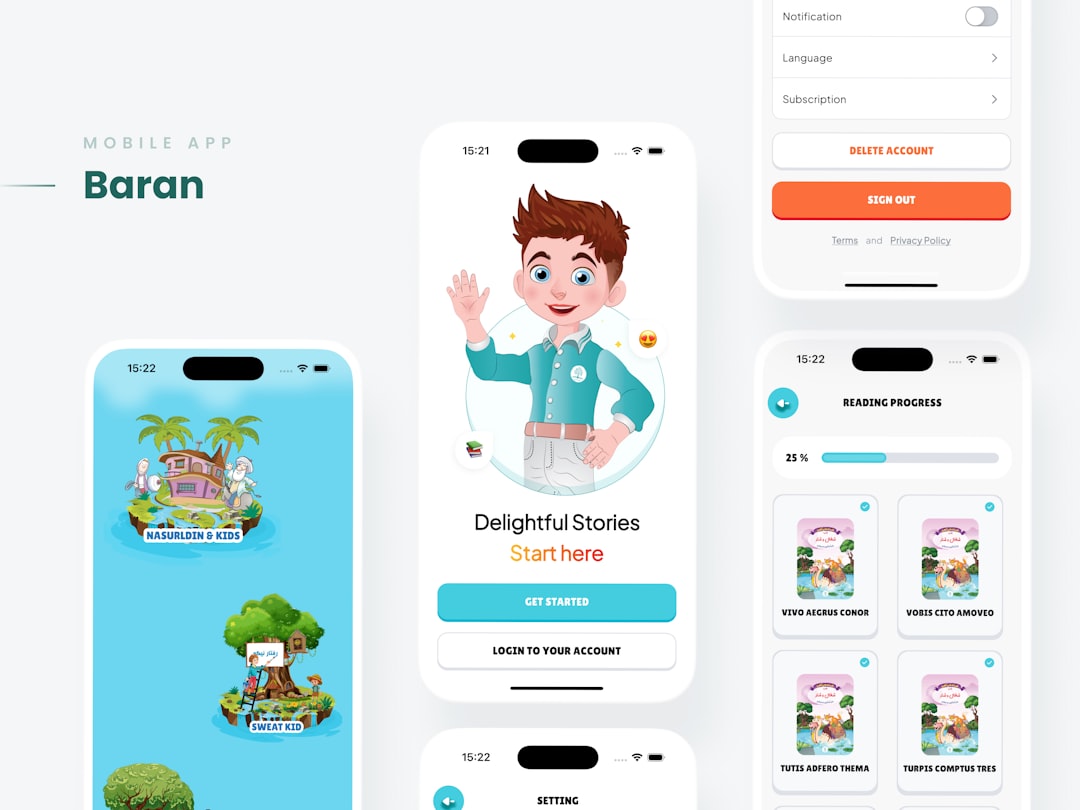
The first step in harnessing the power of free design resources is knowing where to look. Websites like Freepik and Creative Fabrica offer extensive libraries filled with icons, graphics, and templates. For more specific needs, Figma users can explore platforms like Figma Community, where designers share their components, UI kits, and prototypes. This is a treasure trove for those looking to build upon existing designs or find inspiration for their projects.
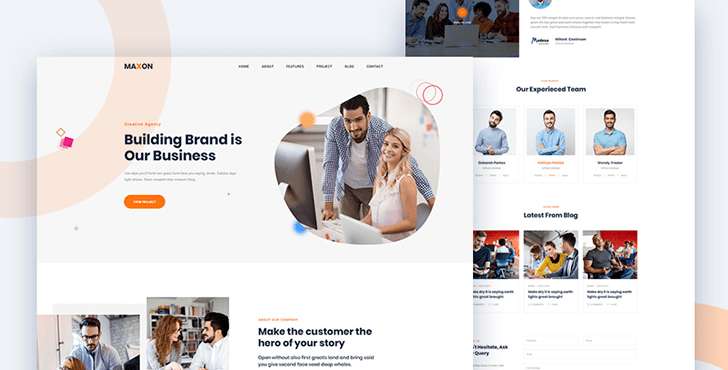
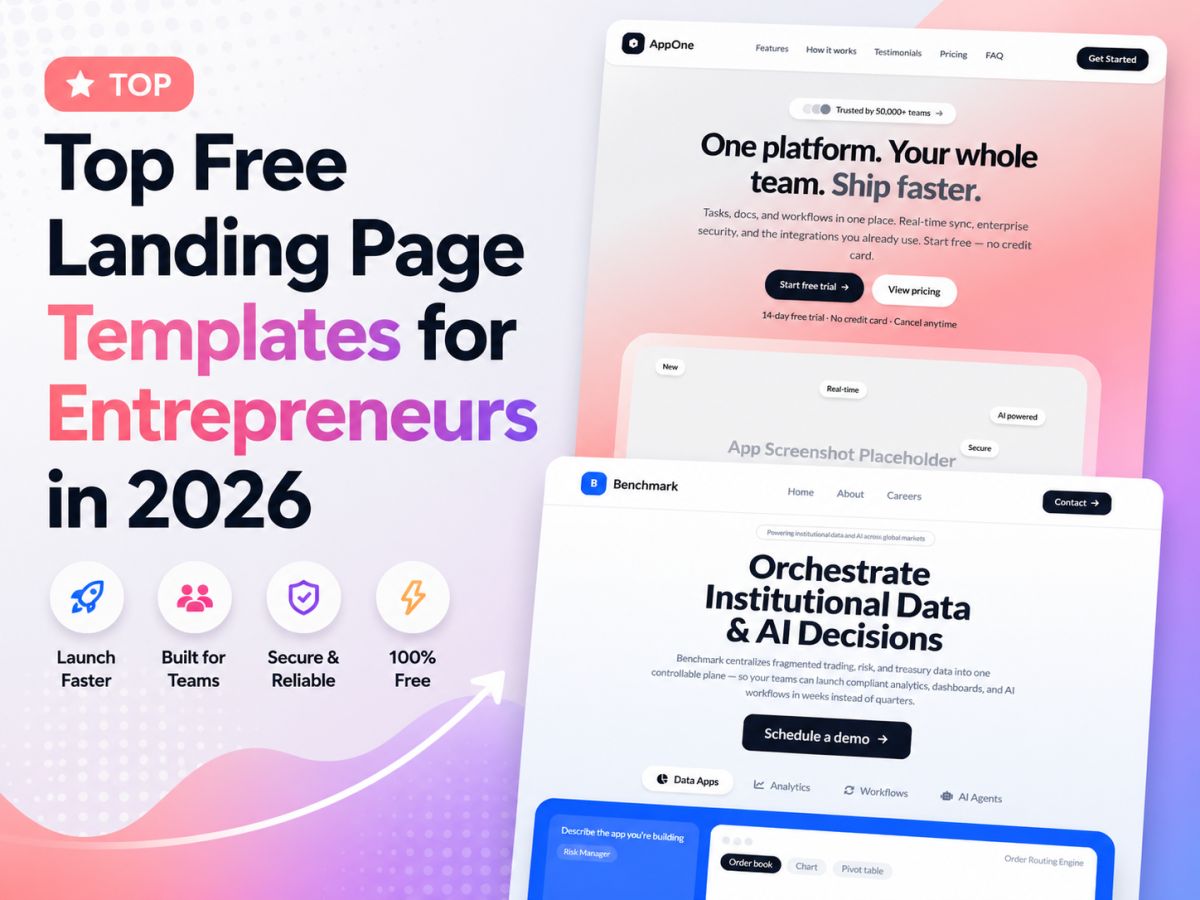
If you’re seeking landing page starters or website templates, consider checking out Templatemo and Wix. These platforms not only provide free templates but also offer user-friendly interfaces that allow for easy customization. Additionally, platforms like Dribbble and Behance are great for discovering innovative designs and connecting with other designers, which can lead to collaborative opportunities.
Evaluating Quality: What to Look For
Once you’ve found potential resources, the next step is to evaluate their quality. Not all free resources are suitable for professional projects, so it’s essential to ask yourself a few key questions. First, consider the design’s aesthetics. Does it align with your brand's identity and the message you want to convey? A well-designed template will not only look good but also function well. Ensure that the layout is logical and that the hierarchy of information is clear.
Next, check the usability of the resource. Is it easy to customize? Look for templates and kits that come with clear instructions or straightforward components that you can easily adapt to fit your needs. An intuitive design will save you time and frustration, allowing you to focus on the creative aspects rather than struggling with technical issues. Additionally, consider the versatility of the resource. Can it be used across multiple projects, or is it too niche? High-quality resources should be adaptable to various contexts.
Using Design Resources Effectively
Having sourced and evaluated high-quality design resources, the next challenge is using them effectively in your projects. It’s easy to fall into the trap of simply plugging in a template and calling it a day. However, the most successful projects often spring from a thoughtful integration of these resources into your unique vision. Start by customizing the elements to reflect your brand’s colors, typography, and overall style. This not only personalizes the design but also enhances brand consistency across all platforms.
Moreover, consider how these resources can enhance user experience. For instance, if you’re using an icon set, ensure that the icons are intuitive and contribute to the overall navigability of your design. Engage with users to gather feedback on your design choices, and be willing to iterate based on their insights. Remember, the ultimate goal is to create a seamless experience that resonates with your audience.
Another essential aspect of using free resources is respecting their licenses. Always check the usage rights associated with the resource. Some assets may be free for personal use but require attribution or a fee for commercial use. It’s crucial to adhere to these guidelines to respect the original creator's work while avoiding potential legal complications down the line.

Bringing It All Together
In conclusion, high-quality free design resources can serve as invaluable tools in your design toolkit, enabling you to elevate your work without breaking the bank. By knowing where to find these resources, how to evaluate their quality, and the best practices for using them, you can create designs that are not only visually appealing but also functional and user-friendly. Always remember to respect the licenses associated with the resources you choose, as this promotes a culture of creativity and collaboration within the design community.
At GemPixel, we understand the importance of quality resources in design and development. If you’re looking for professional design and software services that can take your projects to the next level, feel free to explore our offerings. And if you're interested in creating short URLs to streamline your projects, check out our premium URL shortener.
Ready to embark on your design journey or enhance your existing project? Don’t hesitate to contact us today and let’s create something beautiful together!